
The Virginia Rambler
- dtmillerlexky
- Mar 7, 2023
- 3 min read
Updated: Apr 20, 2023
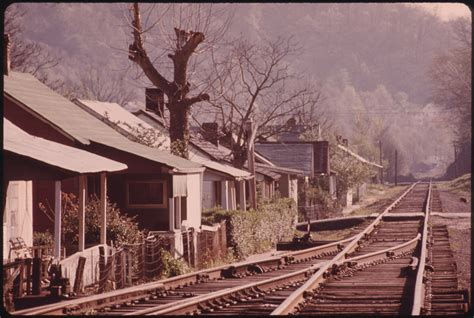
My maternal grandfather Dewey lived a short walk from our house in our tiny coal camp when I was a kid and I spent a lot of time with him. He subscribed to the apocalyptic Awake! magazine, published by the end-times cult evangelist Garner Ted Armstrong, and Dewey was certain the end of the world was coming but never set foot in church. He also didn't let the impending doomsday deter him from having a good time. He read True Detective and Confidential and similar magazines, and as a young child I would curl up under a table in their house and thoroughly enjoy reading about murder and mayhem. He taught me to play solitaire and poker and to use a little machine to roll cigarettes for him from a Bugler tobacco tin.
Dewey carried a bullet on his keychain and let me play with it. I loaded it into an imaginary gun and pretended to fire it at a fierce animal. One day (later, when I was older—I wasn't there) he had been drinking and for some unknown reason decided to put the bullet on an anvil and hit it with a hammer. I have no idea what possessed him to carry a live bullet around, much less to strike it with a hammer, but he did so, blowing off a portion of his thumb.
Dewey was a disabled coal miner and had been an official with the United Mine Workers Union local chapter. He was also a gambler—cards mostly—and for awhile kept a moonshine still up in the hills south of our little town. He had been a talented fiddle and banjo player in his younger days, though I didn't hear him play much banjo and never the fiddle because my grandmother didn't approve of it. He'd been a rounder in his youth, playing with a well-known dance band in bars and social halls, but eventually put the fiddle up on a shelf and sold the banjo. Many years later my parents, knowing my interest in music, bought the banjo back from the cousin who'd bought it from Dewey and gave it to me. After he died they gave me his old fiddle too, complete with a lucky rattlesnake rattle inside. The fiddle wasn't an expensive instrument, with plastic tuners rather than the normal friction pegs, but I was glad to have it, for sentimental reasons. Back in the 1930s, when he would have acquired it, you could buy fiddles at many general stores or through the ubiquitous Sears and Roebuck catalog. It had nicks and stains all over it from a lot of careless handling, in his case the rough and tumble of playing in bars and dance halls.
The banjo was a better instrument though also not expensive. As a small child I loved to run the back of my little fingernails across the strings to hear their distinctive chime. The banjo is very heavy, with a removable wooden resonator or "pot" on the back that gives a banjo its timbre and volume. The back has a painting of a rose, marred by scratches from belt buckles and whatever surface Dewey would have laid it on to switch to his fiddle or have another beer. The calfskin stretched across the front of the banjo's drum would originally have been cream-colored but had been darkened by cigarette smoke and dirty fingers and the tracks of droplets from spilled drinks. Long-faded now, tiny cellophane letters spelling out Virginia Ramblers left little reverse shadows, a touch lighter than the rest of the calfskin.
When I got the instruments the bridge of the fiddle was broken and one of the tuners was bent, and the banjo was missing one of the screws holding the pot in place. I had a friend fix both up enough to be playable. I still have them, and still occasionally play the banjo. I decided not to replace the calfskin head—I like seeing the dirty calfskin and imagining where Dewey had "rambled," and all the revelry and roughhousing he and those instruments had seen.



I'm glad you kept the time-worn calfskin rather than replacing it. Besides the fact that I love the time-worn look on just about anything, it seems that replacing something with so much history would be a sad thing indeed. Keeping it sounds like a perfect way to remember and honor him.